
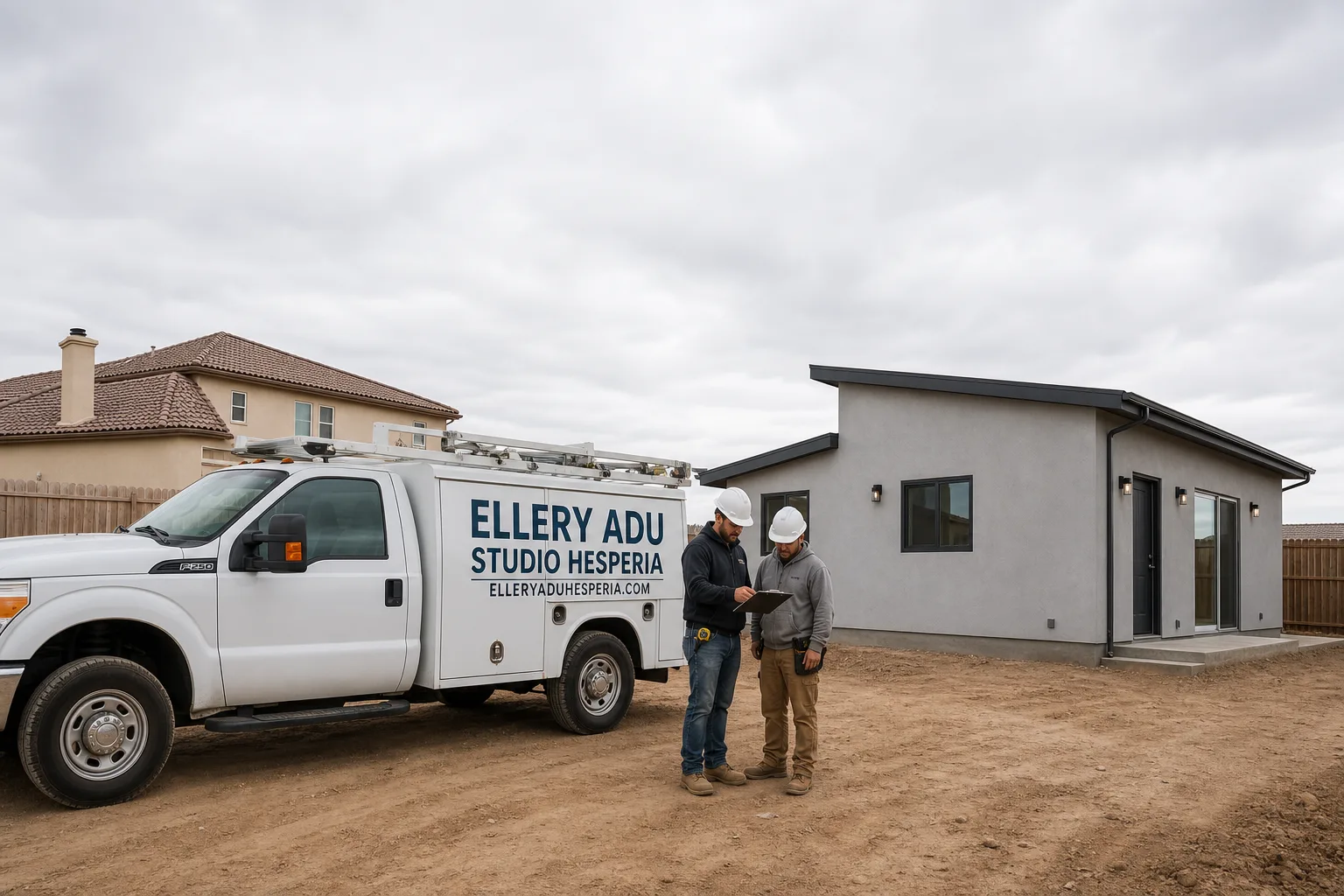
How Much Does ADU Site Prep & Utilities Cost in Hesperia?
ADU Site Prep & Utilities services in Hesperia, CA typically cost between $18,000 and $65,000, depending on lot conditions, the distance from your main panel or sewer line, and whether the site needs grading. Most Hesperia homeowners building a new detached ADU on a standard High Desert lot land somewhere between $28,000 and $45,000 for the full site prep and utility connection package. That range covers everything from initial grading through electrical, water, sewer, and gas tie-ins – with the written price set before any work begins, per Haven Standard Clause 1.
ADU Site Prep & Utilities Cost Breakdown (2026)
Below are the line-item ranges Ellery ADU Studio works with on Hesperia projects as of 2026. These numbers reflect actual permit-set scopes, not ballpark estimates pulled from national averages. San Bernardino County’s fee schedule, Hesperia’s slope-grading requirements along the Mojave River floodplain edge, and the distance most west-side lots sit from the nearest sewer trunk line all push local costs in ways a California statewide figure won’t capture.
| Line Item | Typical Hesperia Range (2026) | Notes |
|---|---|---|
| Grading & Compaction | $3,500 - $14,000 | Flat lots near Ranchero Road are at the low end; sloped lots in Summit Valley area require cut-and-fill and engineered compaction reports |
| Erosion Control & SWPPP Compliance | $800 - $2,400 | San Bernardino County requires a SWPPP (Stormwater Pollution Prevention Plan) for most new ADU pads; wind-driven sandy soil on Hesperia’s east side can push this higher |
| Electrical Service Extension | $4,200 - $12,500 | New 200A sub-panel for detached ADU; cost rises quickly when the main panel is near capacity and needs a service upgrade first |
| Water Service Line | $2,800 - $7,500 | Hesperia Water District connection fees plus trenching; longer runs on larger lots in the Spring Valley Lake area add cost |
| Sewer Lateral Connection | $4,500 - $11,000 | Hesperia does not have sewer service on all parcels – properties on septic (common in the Sultana and Oak Hills corridors) require a separate septic expansion or new leach field evaluation, which can add $8,000-$18,000 on its own |
| Septic System Expansion (if applicable) | $8,000 - $18,000 | Required when the parcel isn’t on city sewer; San Bernardino County Environmental Health must approve the design |
| Gas Line Extension | $1,800 - $4,500 | Applies when the ADU includes a gas range or forced-air heater; some modular units from brands like Dvele and Mighty Buildings run all-electric, eliminating this line item |
| Concrete Pad / Foundation Prep | $6,500 - $16,000 | Slab-on-grade for a 500-1,200 sq ft ADU; Hesperia’s expansive clay soils in some zones require deeper footings per the geotech report |
| Permit & Inspection Fees (Site Work) | $1,200 - $3,800 | City of Hesperia building and grading permit fees; does not include the ADU building permit itself |
| Temporary Construction Utilities | $600 - $1,500 | Temp power and water during construction phase |
Total typical range: $18,000 - $65,000. A straightforward detached ADU on a flat, sewer-served lot in central Hesperia – near Main Street or close to the I-15 corridor – generally runs $24,000 to $38,000 for site prep and utilities combined. Add the Mojave Desert’s hard caliche layer, a septic system that needs expansion, or a main panel that’s already maxed out, and you’re looking at the upper half of that range before any vertical construction starts.
Every project Ellery ADU Studio quotes includes all of these line items in a single written price. No separate bill appears at the end of grading, and no utility contractor hands you an invoice you weren’t expecting. That’s what Haven Standard Clause 1 actually means in practice: one number, in writing, before the first shovel turns.
What Affects ADU Site Prep & Utilities Pricing in Hesperia
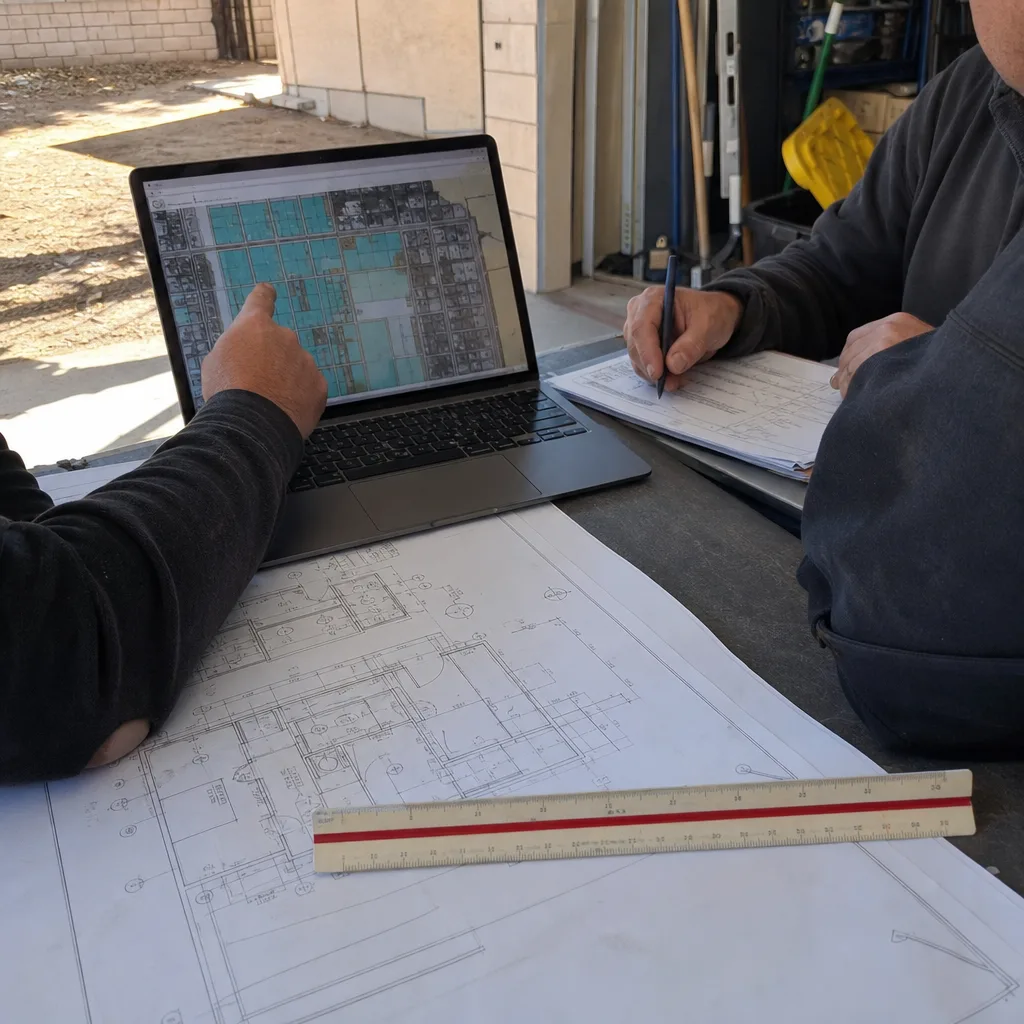
Six site conditions move the needle more than anything else on a Hesperia lot. Understanding them before you get a quote lets you ask better questions – and spot a bid that’s missing something important.
- Sewer vs. Septic: This is the biggest wildcard in Hesperia. The city’s sewer infrastructure is well-developed along the Main Street spine and through newer tracts near Bear Valley Road, but large portions of Oak Hills, Sultana, and the parcels east of US-395 are still on private septic systems. If your lot is on septic, adding an ADU means evaluating whether the existing system has capacity. If it doesn’t, you’re looking at a new leach field or a system expansion – a line item that can add $8,000 to $18,000 that a sewer-connected neighbor simply doesn’t face.
- Lot Topography and Caliche: Hesperia’s terrain ranges from nearly flat (the grid streets around Hesperia Road) to noticeably sloped (Summit Valley, parts of Balsam Avenue above the freeway). Sloped lots require engineered cut-and-fill grading, retaining walls, and compaction testing – costs that stack up fast. Separately, the hard caliche layer that runs under much of the Mojave Desert floor adds equipment time and sometimes blasting costs when you’re trenching for utility lines. A flat lot in a caliche-free zone can be trenched in a day; a hard-pan lot with four feet of caliche might take three times as long.
- Distance from Main Electrical Panel: A detached ADU in the back of a 10,000 sq ft lot in Hesperia might be 120 feet from the main panel. At that distance, you need heavier wire gauges, a dedicated sub-panel, and more conduit – costs that scale with distance. If the main panel is already near its amperage limit (common in homes built in the 1980s and early 1990s throughout Hesperia’s older west-side tracts), a service upgrade to 200A or 400A is required before the ADU sub-panel can be added.
- Hesperia Water District Connection Fees: New utility connections through Hesperia Water District carry capacity fees that are assessed at the time of permit. These fees are set by the district and are separate from the physical cost of running the water line. In 2025-2026, Hesperia Water District connection fees for a standard ADU meter ranged from approximately $2,100 to $4,800 depending on meter size – a number that appears in the full project budget but is sometimes omitted from early contractor estimates.
- Soil Expansion and Geotechnical Requirements: Some Hesperia parcels – particularly those in the older residential zones near the Mojave River bed – sit on expansive clay soils that shift with the wet-dry cycle typical of the High Desert. San Bernardino County building officials may require a soils report and engineered foundation design before issuing a grading permit. The report itself costs $1,500-$3,500; the upgraded foundation it often specifies can add $4,000-$8,000 to the pad cost.
- ADU Size and Type: A 500 sq ft junior ADU conversion inside an existing garage uses far less site prep than a 1,200 sq ft new detached unit at the rear of the same parcel. Prefab units from brands like Abodu or Plant Prefab that arrive largely assembled still require the same utility connections and foundation work – the savings come from construction time, not from reduced site prep. Knowing your ADU type before you price site work prevents scope gaps that turn into surprises later.
Hesperia-Specific Factors You Won’t Read About on a National Cost Site
National ADU cost guides are written for a California median. Hesperia is not the median. A few things that matter here specifically:
Wind and Sand Erosion Control: The Santa Ana winds that funnel through the Cajon Pass hit Hesperia hard, and the sandy loam soil on many east-side parcels moves during construction if it isn’t stabilized. San Bernardino County’s grading permits require an approved SWPPP for most new ADU pads, and on wind-exposed lots, the erosion control measures – fiber rolls, silt fencing, tackifier application – add real cost and inspection steps that a Bay Area cost guide simply doesn’t account for.
High Desert Freeze-Thaw and Pipe Depth: Hesperia sits at roughly 3,000 feet elevation. That’s cold enough in January to require water and sewer lines to be buried at frost-depth – deeper than in coastal Southern California cities. Trenching depth adds time and material cost that a San Diego or Los Angeles estimate wouldn’t include.
Active Permit Demand: Hesperia has seen a steady increase in ADU applications since 2020, and the city’s building department processes a significant volume of grading and utility permits. Scheduling inspections for each phase of site work – grading, foundation, rough utilities – takes lead time that affects your overall project timeline. Ellery factors this into the written project schedule on every permit set we produce.
How to Save on ADU Site Prep & Utilities in Hesperia
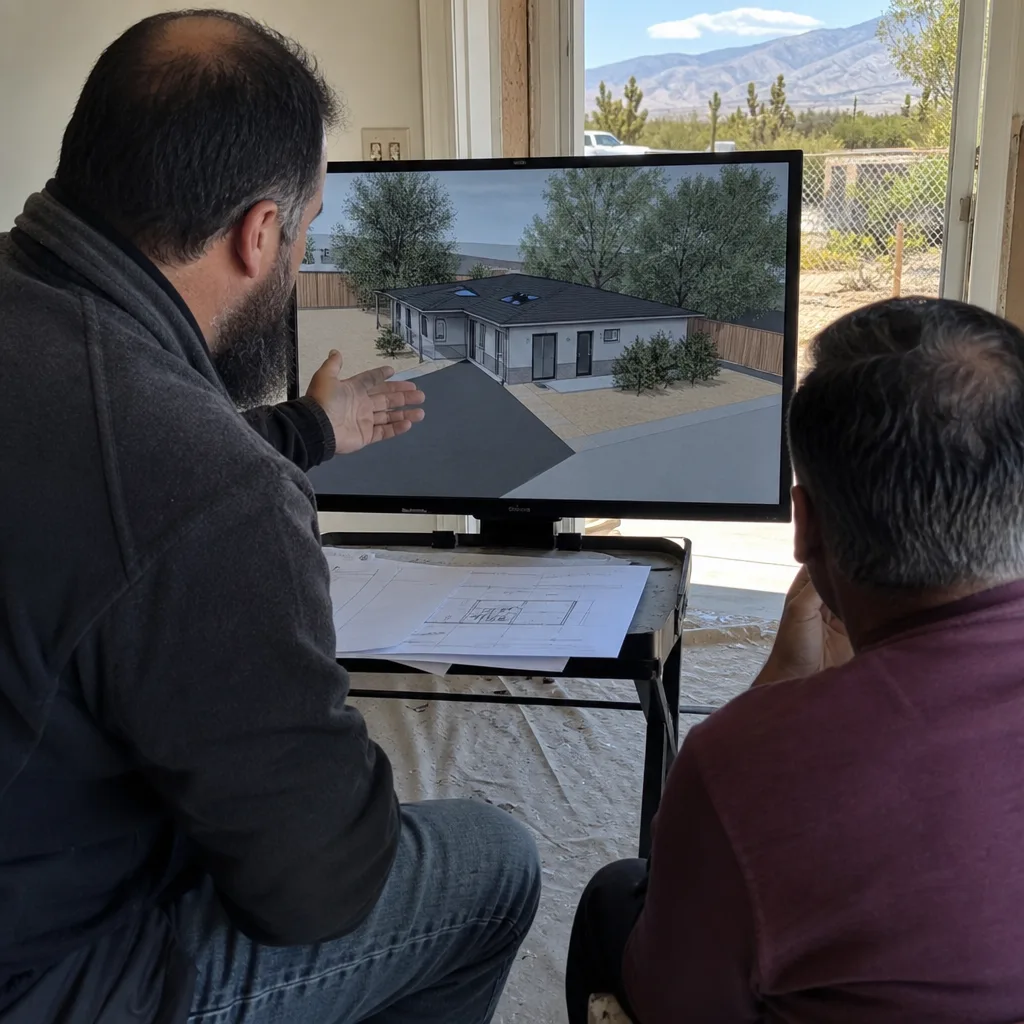
There’s no dramatic trick to cutting site prep costs – the ground is what it is, and the city’s connection fees are fixed. But a few decisions made early in the design process consistently reduce total costs on Hesperia projects.
Place the ADU close to existing utilities. The single most effective cost lever is ADU placement. Every additional foot of distance between your home’s main panel and the new sub-panel, or between the existing sewer lateral and the new ADU connection, costs money in wire, conduit, pipe, and labor. On a large Hesperia lot – many parcels in the Oak Hills and Spring Valley Lake areas run half an acre or more – placing the ADU 30 feet from the house instead of 100 feet at the back of the lot can save $4,000 to $8,000 in utility extension costs alone. We model this during the design phase, before the permit set is drawn.
Confirm your sewer connection status before you design anything. If you’re on septic, find out now rather than at permit application. San Bernardino County Environmental Health’s records are searchable, or you can ask us to pull the parcel data when we review your lot. Knowing early gives you time to plan the septic expansion into the original budget rather than treating it as a change order.
Assess your main electrical panel before site work begins. A panel assessment costs a few hundred dollars. Discovering mid-project that you need a service upgrade – and losing two weeks to the utility’s scheduling queue while your crew sits idle – costs far more. Nadia Ellery includes this review in our pre-permit site evaluation, so the electrical budget reflects reality from the start.
Consider an all-electric ADU design. If your ADU design runs all-electric, you eliminate the gas line extension entirely – $1,800 to $4,500 removed from the budget without any trade-off in livability. Several of the prefab systems Ellery coordinates, including Dvele and Mighty Buildings units, are designed all-electric from the factory. On a lot where the gas service is on the far side of the property from the planned ADU location, the savings are even larger.
Bundle site prep with design and construction under one contract. When your architect draws the plans, a separate contractor bids the grading, and a third party handles utility connections, each handoff is an opportunity for scope gaps and extra charges. The one-contract model Ellery uses means the permit set already accounts for actual site conditions – the grading plan, the utility routing, and the foundation design are coordinated before the first permit is submitted, not reconciled after the fact.
Get a second opinion on any estimate already in hand. If you have a written site prep or utility estimate from another contractor, Ellery’s free second opinion review can identify missing line items or scope gaps before you sign. Call (760) 493-7752 and we’ll review the document – no obligation, no pitch, just a specific written response to what you bring us.
What You Receive at Each Phase
This section exists because one of the most common complaints we hear from Hesperia homeowners who’ve been through a failed ADU process is that they paid for work and never knew what was actually done. Under The Haven Standard, every site visit produces a documented photo record – not a verbal update, not a progress percentage, but actual photographs of what was found and what was completed, delivered to the client at the end of each inspection phase.
Here’s what that looks like on a site prep and utilities project:
- Pre-Construction Site Evaluation: Written report of existing conditions – panel amperage, sewer connection confirmed or flagged, soil visible at surface, existing drainage patterns noted. You get this before the written price is finalized.
- Grading Inspection: Photo record of rough grade, compaction test results, SWPPP measures in place. San Bernardino County grading inspector signs off before any foundation work begins.
- Utility Rough-In: Photos of trench depth, pipe type, conduit routing, and tie-in points – before the trench is backfilled. This is the documentation you’d need if a utility question ever came up years later.
- Foundation and Pad: Photos of rebar placement, concrete pour, and finished slab dimensions. Compared against the permitted drawings on file.
- Final Site Inspection: The finished site compared to the permit set. If anything doesn’t match the permitted drawings, that’s what the 365-Day Done Right Promise covers – in writing, before the project starts.
FAQs – ADU Site Prep & Utilities Cost in Hesperia
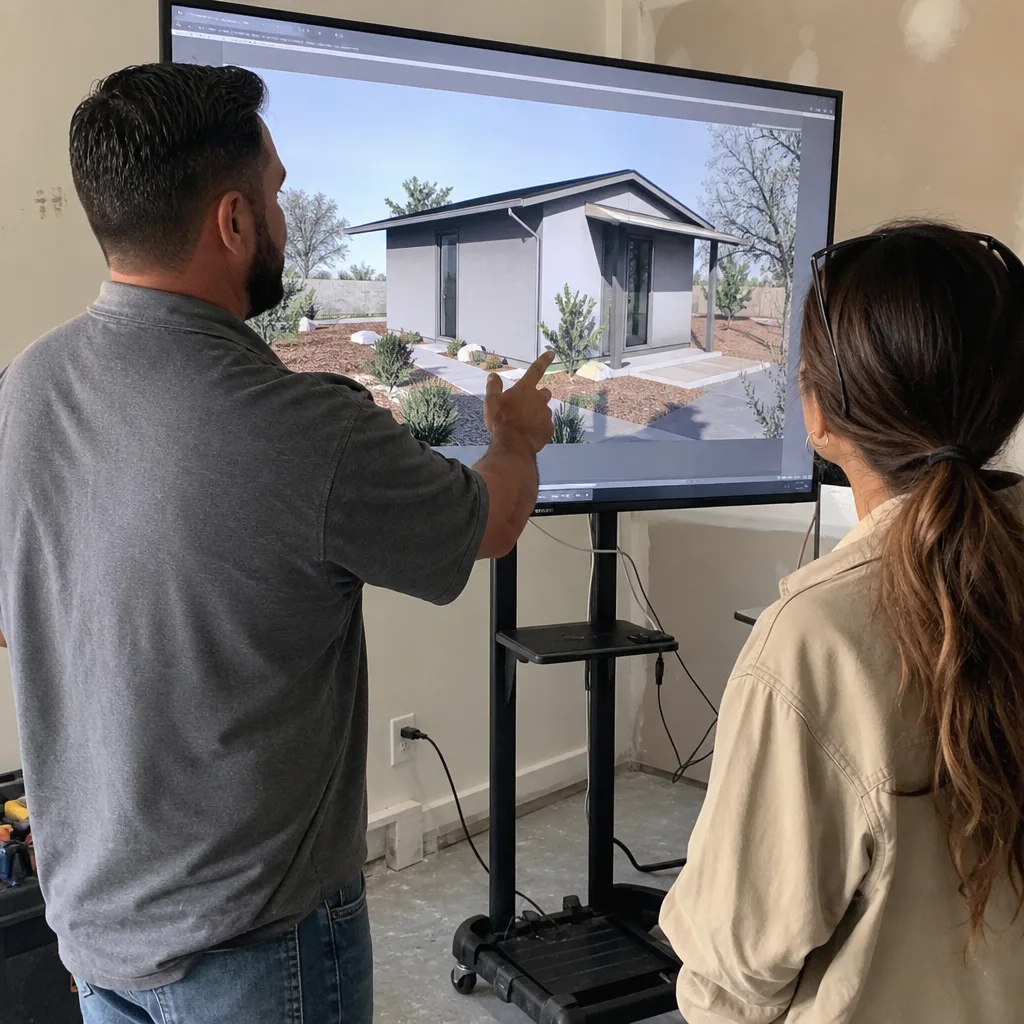
What does ADU site prep typically cost in Hesperia, CA?
Site prep for an ADU in Hesperia typically costs $18,000 to $65,000 for the full package – grading, foundation pad, and all utility connections. A flat, sewer-connected lot near the Bear Valley Road or Main Street corridors usually lands between $24,000 and $38,000. A sloped lot on septic in Oak Hills or the Summit Valley area can reach $55,000 to $65,000 when the septic expansion is included. Every Ellery project quotes this in a single written number before work begins. Call (760) 493-7752 for a written estimate specific to your parcel.
Does Hesperia require a separate permit for ADU site prep and grading?
Yes. The City of Hesperia issues grading permits separately from building permits. For most new detached ADUs, you’ll need a grading permit, a stormwater (SWPPP) plan, a soils report if the lot is in a flagged soil zone, and utility encroachment permits for connections to Hesperia Water District lines. Permit fees for site work alone typically run $1,200 to $3,800, not counting the ADU building permit. Ellery prepares and submits all of this as part of the single-contract permit set – there’s no separate permit coordination bill at the end.
How much does a sewer connection cost for an ADU in Hesperia?
A sewer lateral connection for an ADU in Hesperia runs $4,500 to $11,000, including Hesperia Water District fees, trenching, and inspection. If your parcel isn’t on city sewer – which applies to a significant portion of Hesperia lots in Sultana, Oak Hills, and the unincorporated areas near US-395 – a septic expansion or new leach field typically adds $8,000 to $18,000 on top of that. Confirming your sewer status before the design phase starts is the single most useful thing you can do to protect your budget. Call (760) 493-7752 and we’ll pull the parcel data for you.
Can the ADU site prep and utilities be included in one contract with the ADU build?
At Ellery ADU Studio, site prep and utilities are always included in the single design-build contract – they’re never quoted separately and billed later. This matters because site conditions directly affect the ADU design: sewer routing affects placement, panel capacity affects what systems the unit can run, and soil conditions affect foundation design. Separating site prep from the rest of the project is how scope gaps and unexpected costs happen. Under Haven Standard Clause 1, the written price you receive covers everything from grading through final inspection.
How long does ADU site prep take in Hesperia?
For a straightforward lot – flat, sewer-connected, no significant caliche or soil issues – site prep from grading permit approval through a finished concrete pad typically takes four to eight weeks. Add the permit submission and review period (currently running six to ten weeks at Hesperia’s building department for grading permits), and you’re looking at three to five months from permit application to a pad ready for framing. Lots with septic system work, geotechnical requirements, or panel upgrades add time. Ellery builds the full schedule into the written project plan at contract signing – you see the timeline before work begins, not partway through it.
Key Takeaways
- ADU site prep and utilities in Hesperia costs $18,000 to $65,000, with most standard lots landing between $24,000 and $45,000.
- Sewer vs. septic is the biggest cost variable – confirm your parcel’s status before designing anything.
- Caliche, expansive clay soils, and High Desert frost depth push Hesperia costs above what national ADU guides estimate.
- ADU placement on the lot is the most controllable cost lever – closer to existing utilities means lower extension costs.
- Every Ellery project is quoted with a single written price covering design, permits, site prep, and construction before work begins.
- The 365-Day Done Right Promise backs every finished project in writing – if it’s not built to the permitted drawings, Ellery makes it right.
Ready to Get a Written Price for Your Hesperia ADU?
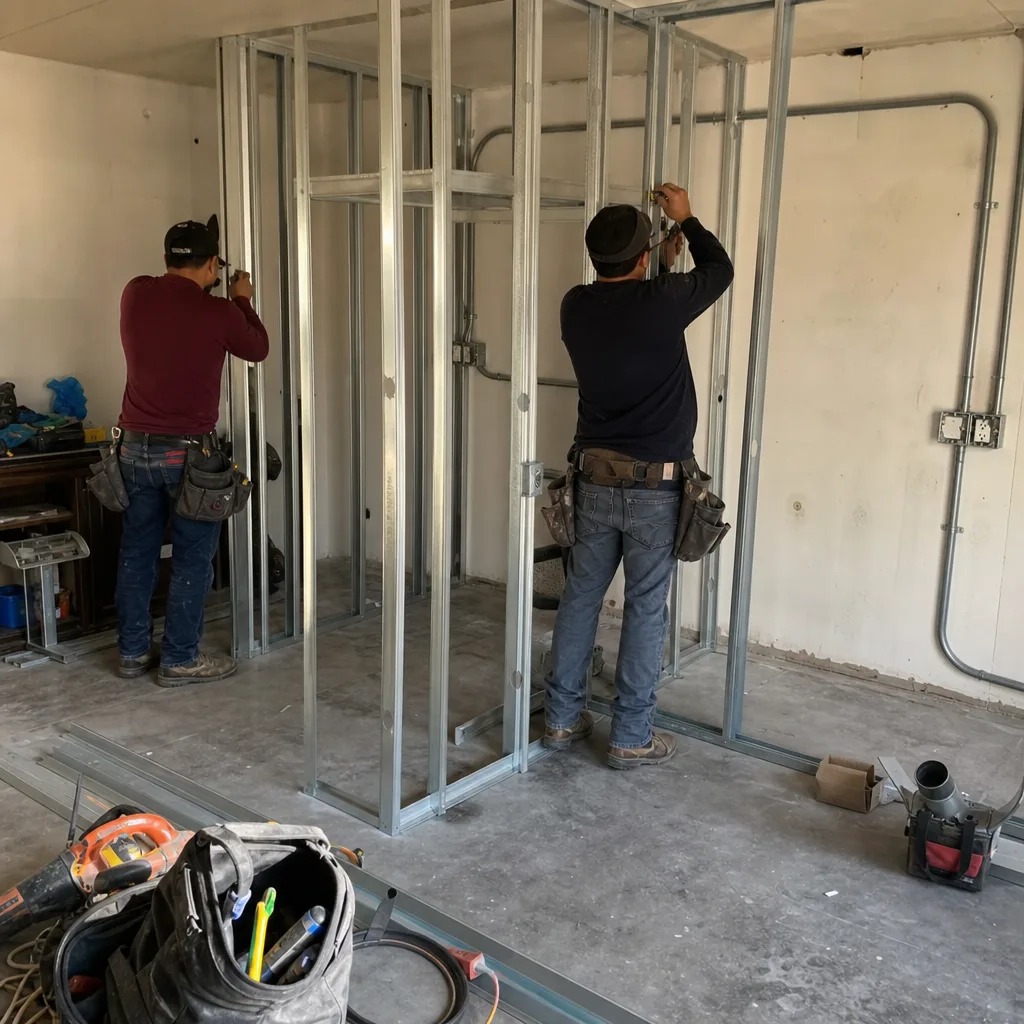
If you’re planning an ADU in Hesperia, the ADU Site Prep & Utilities in Hesperia service page lays out how Ellery approaches each phase of the work. For a full project overview, the home page covers all five service categories under one contract.
Nadia Ellery and the Ellery ADU Studio team quote every Hesperia site prep and utilities project with a written price – no “call for a quote,” no estimates that change after the permit comes back. If you already have a written estimate from another firm, bring it to us: we’ll review it at no charge and give you a specific written response to what you’ve been quoted.
Call (760) 493-7752 – a live person answers, not a voicemail queue. If you want a written estimate for your Hesperia parcel, that’s where to start.
Written by Nadia Ellery, Owner at Ellery ADU Studio, serving Hesperia since 2015. Pricing reflects the Hesperia market as of 2026. Ellery ADU Studio Hesperia offers free estimates – call (760) 493-7752.
What Our Customers Say
"They walked us through setbacks and utility capacity before we paid anything, and told us one of our two options was not going to get approved."
- Mireille T."The rental income has covered the payment since the second month. They were realistic about the numbers rather than optimistic."
- Odette N."The permit set and the build were one contract with one number. Our neighbours used two firms and spent a year watching them blame each other."
- Helena V.